Germany stands at a fascinating crossroads where tradition meets necessity, creating unprecedented opportunities for workers without formal qualifications. As Europe’s economic powerhouse faces its most severe labor shortage in decades, the doors have swung wide open for international workers seeking stable employment and a chance to build their futures. What many call unskilled work has become the backbone of Germany’s economy, and 2025 promises to be a watershed year for those ready to seize these opportunities.
Understanding Germany’s Labor Market Revolution
The German job market has undergone a dramatic transformation that few saw coming even five years ago. This shift represents more than just filling vacancies; it reflects a fundamental reimagining of what work means in modern Germany.
Why unskilled workers are in high demand
Picture this scenario: Germany needs approximately 1.7 million workers to maintain its economic momentum, yet the domestic workforce continues shrinking due to demographic changes. Baby boomers are retiring in droves, birth rates remain low, and young Germans increasingly pursue higher education rather than vocational paths. This perfect storm has created opportunities that would have seemed impossible just a generation ago. Companies that once demanded extensive qualifications now prioritize reliability, work ethic, and willingness to learn over formal credentials.
The changing definition of unskilled work
The term unskilled work feels outdated when you consider what these positions actually entail. Operating sophisticated warehouse equipment, providing compassionate elderly care, or maintaining quality standards in manufacturing requires skills that go beyond formal education. German employers have recognized this reality, rebranding these roles as essential positions that offer training, career progression, and respectable salaries. Think of it as Germany acknowledging that practical intelligence matters as much as academic achievements.
Warehouse And Logistics Positions Leading The Way
The explosion of e-commerce has transformed warehouse work into one of Germany’s most accessible and rewarding entry points for international workers.
Amazon and DHL opportunities
Amazon alone employs over 40,000 people across Germany, with plans to add thousands more positions in 2025. These giants offer more than just jobs; they provide structured career paths where today’s package handler becomes tomorrow’s shift supervisor. DHL, Germany’s logistics titan, operates round the clock, creating opportunities across multiple shifts that accommodate different lifestyles and preferences.
Order picking and packaging roles
These positions form the heart of modern commerce, where workers fulfill the promise of next day delivery that millions depend upon. You might start by picking items from shelves using handheld scanners, progressing to operating forklifts or managing inventory systems. The beauty lies in the simplicity of getting started versus the complexity of advancement opportunities.
Salary expectations and benefits
Warehouse workers typically earn between €12 and €16 per hour, with night and weekend shifts commanding premium rates. Add overtime opportunities, and monthly earnings can reach €2,500 to €3,000. Many employers sweeten the deal with transportation allowances, subsidized meals, and health insurance contributions that make these positions genuinely attractive.
Hospitality And Tourism Jobs Bouncing Back
Germany’s hospitality sector has roared back to life, creating thousands of positions for those who enjoy dynamic, people focused work environments.
Hotel and restaurant positions
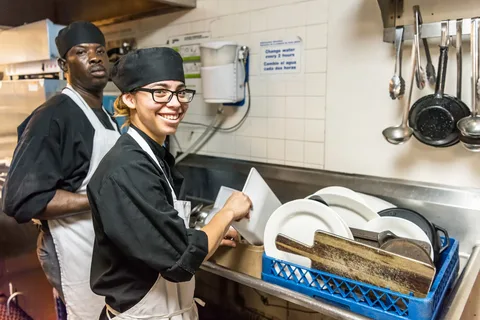
From housekeeping to kitchen assistance, hotels across Germany desperately seek reliable staff. These roles offer more than paychecks; they provide opportunities to interact with international guests, learn hospitality standards that translate globally, and potentially advance into supervisory positions. Restaurant work, particularly in Germany’s thriving food scene, combines cultural exchange with practical skill development.
Seasonal opportunities in tourist regions
Bavaria’s ski resorts, the Rhine Valley’s wine regions, and Baltic Sea coastal areas offer seasonal positions that feel more like working vacations. These jobs often include accommodation, making them perfect for those testing the waters of living in Germany. Many seasonal workers parlay these experiences into permanent positions, having proven their worth during peak periods.
Construction And Manual Labor Opportunities
Germany’s ambitious infrastructure plans and housing shortage have created a construction boom requiring workers at every skill level.
Helper positions on building sites
Construction helpers start by assisting skilled tradespeople, carrying materials, and maintaining site cleanliness. Yet these positions offer apprenticeship pathways where motivated individuals can learn trades while earning. The construction industry values hard work and reliability, often promoting from within rather than hiring externally for higher positions.
Infrastructure project demands
Major projects like railway modernization, renewable energy installations, and urban development initiatives need thousands of workers. These government backed projects offer stability and often better working conditions than private construction. Working on infrastructure means contributing to Germany’s future while securing your own.
Agricultural And Farm Work Positions
Agriculture remains vital to Germany’s economy, offering opportunities that connect workers with the land and traditional ways of life.
Seasonal harvesting jobs
Asparagus season in spring, berry picking in summer, and grape harvesting in autumn create waves of employment opportunities. These positions offer intense work periods with good earnings potential, often including basic accommodation and meals. Many workers return annually, building relationships with farm owners that lead to permanent positions.
Year round farm positions
Dairy farms, poultry operations, and greenhouse facilities need permanent staff for feeding, cleaning, and basic maintenance tasks. These positions offer stability and often include housing on or near the farm, significantly reducing living costs. Rural life might seem isolating initially, but tight knit communities often embrace hardworking newcomers.
Manufacturing And Factory Work
Germany’s manufacturing excellence extends beyond luxury cars, encompassing everything from electronics to food production.
Assembly line opportunities
Automotive suppliers, electronics manufacturers, and consumer goods producers constantly recruit assembly workers. These positions teach precision, quality control, and teamwork skills valuable throughout manufacturing. Many companies offer training programs that transform assembly workers into specialized technicians.
Food processing positions
Meat processing plants, bakeries, and beverage companies offer stable employment with predictable schedules. While the work can be repetitive, these industries often provide excellent benefits and job security that many sectors cannot match.
Shift work advantages
Factory shift work might disrupt traditional schedules, but it offers flexibility and financial advantages. Night shifts typically pay 25 percent more than day shifts, while weekend work commands even higher premiums. This structure allows workers to maximize earnings while potentially pursuing education or side projects during off hours.
Healthcare Support And Care Assistant Roles
Germany’s aging population has created enormous demand for care assistants, offering meaningful work with genuine human impact.
Elderly care facilities
Nursing homes and assisted living facilities need support staff for meal service, cleaning, and basic care assistance. These positions require compassion more than credentials, offering opportunities to make real differences in residents’ lives. Many facilities provide German language training and pathways to formal healthcare qualifications.
Hospital support staff
Hospitals need porters, cleaning staff, and kitchen workers to function effectively. These positions offer stable employment within Germany’s excellent healthcare system, often including benefits that extend to family members. Working in healthcare environments exposes workers to potential career paths they might never have considered.
Navigating Work Permits And Requirements
Understanding visa requirements helps international workers plan their German adventures effectively.
EU versus non EU workers
EU citizens enjoy freedom of movement, requiring only registration upon arrival. Non EU workers face more complex processes but benefit from Germany’s new Skilled Immigration Act, which has simplified procedures for workers in shortage occupations. The Opportunity Card system launching in 2025 will further ease entry for qualified candidates.
Documentation needed
Basic requirements typically include a valid passport, job offer letter, proof of accommodation, and health insurance. Some positions might require police clearance certificates or health checks. Preparation prevents delays, so gathering documents early streamlines the process.
Language Requirements And Reality
The language question looms large for many considering German opportunities, but the reality proves less daunting than feared.
When German is necessary
Customer facing roles, healthcare positions, and jobs involving safety instructions typically require basic German proficiency. However, many employers offer language courses, viewing them as investments in employee retention. Think of German as a tool that expands opportunities rather than a barrier to entry.
English friendly positions
Warehouse work, manufacturing, and many agricultural positions function primarily through demonstration and basic communication. International companies often use English as a working language, particularly in logistics and IT support roles. Many successful workers report functioning effectively with minimal German initially, building language skills gradually.
Living Costs And Salary Considerations
Understanding Germany’s cost structure helps workers make informed decisions about opportunities.
Regional differences
Eastern German cities offer lower living costs with similar wages, stretching earnings further. A warehouse worker in Leipzig enjoys better purchasing power than a colleague in Munich despite identical salaries. Rural positions often include housing, dramatically reducing the largest expense most workers face.
Budget planning tips
Expect to spend €700 to €1,200 monthly on basic living expenses, depending on location and lifestyle. Shared accommodation, public transportation, and cooking at home keep costs manageable. Many workers report saving €500 to €1,000 monthly even on entry level salaries, building financial security impossible in their home countries.
Success Tips For Landing These Jobs
Strategic approaches dramatically improve success rates for international job seekers. Start applications early, as visa processing takes time. Emphasize reliability and work ethic over experience, as German employers value these traits highly. Use job portals like Indeed Germany, StepStone, and the Federal Employment Agency’s website. Consider recruitment agencies specializing in international placements, as they navigate bureaucracy and language barriers effectively.
Future Prospects And Career Growth
These opportunities represent beginnings, not endpoints. Germany’s vocational training system allows workers to gain qualifications while employed, transforming unskilled workers into skilled professionals. Many companies promote internally, preferring known quantities over external hires. Language skills and cultural integration open doors to positions never initially imagined. The key lies in viewing these opportunities as investments in long term success rather than temporary solutions.
Conclusion And Next Steps
Germany’s unskilled worker opportunities for 2025 represent more than jobs; they offer pathways to stable, prosperous futures in one of Europe’s most successful societies. Whether you choose warehouse work’s clear progression paths, construction’s skill building potential, or healthcare’s meaningful human connections, each opportunity provides foundations for growth. The combination of fair wages, worker protections, and advancement possibilities makes Germany uniquely attractive for international workers. Success requires preparation, realistic expectations, and willingness to embrace new challenges. Research specific opportunities matching your interests and circumstances. Prepare necessary documentation early, begin basic German language study, and connect with others who have made similar journeys. Remember that today’s unskilled worker often becomes tomorrow’s skilled professional, supervisor, or even business owner. Germany offers not just work but genuine opportunities to build the life you envision.
FAQs
Can I really get a job in Germany without speaking German?
Yes, many positions in warehouses, manufacturing, and agriculture require minimal German initially. Employers often provide language training, and demonstration based tasks allow effective work while language skills develop. However, learning German significantly expands opportunities and improves daily life quality, making it a worthwhile investment even if not immediately necessary.
What is the minimum salary I can expect as an unskilled worker in Germany?
Germany’s minimum wage stands at €12 per hour as of 2024, translating to roughly €2,080 monthly for full time work. However, most positions offer more, with warehouse and manufacturing jobs typically paying €12 to €16 hourly. Including overtime and shift premiums, monthly earnings often reach €2,500 to €3,000.
Do employers really help with visa sponsorship for unskilled positions?
Yes, particularly in sectors facing severe shortages like logistics, construction, and healthcare support. Many employers have streamlined sponsorship processes and dedicated HR support for international recruitment. The key is targeting larger companies or those already employing international workers, as they understand the process and value it brings.
What are living costs like compared to salaries?
Living costs vary significantly by region, but generally, unskilled workers can live comfortably and save money. Budget €700 to €1,200 monthly for basic expenses including shared accommodation, food, and transportation. With salaries ranging from €2,000 to €3,000 monthly, saving 20 to 40 percent of earnings is realistic for disciplined workers.
Can unskilled work lead to permanent residence in Germany?
Absolutely. After five years of continuous employment and basic German proficiency, workers can apply for permanent residence. The new Opportunity Card system and proposed immigration reforms will likely create even faster pathways. Many workers transition from temporary work permits to permanent residence, eventually bringing families and establishing roots in German communities.